
Marine conservation in Nusa Penida focuses on the protection, restoration, and long-term monitoring of one of Bali’s most important marine ecosystems. Located within the Nusa Penida Marine Protected Area, the region supports high biodiversity including coral reefs, manta rays, turtles, reef fish, and other marine species that depend on healthy reef systems.
Marine conservation Nusa Penida programs allow divers and participants to go beyond recreational diving and actively engage in reef protection, scientific monitoring, and environmental restoration work. These initiatives in conservation Penida are designed to support ecosystem resilience while promoting sustainable interaction between humans and the ocean.
What Is Marine Conservation Nusa Penida?
Marine conservation Nusa Penida refers to structured environmental efforts aimed at protecting and restoring coral reef ecosystems and marine biodiversity in the waters surrounding Nusa Penida.
These initiatives focus on coral health, marine population monitoring, habitat restoration, and long-term ecosystem management. The area is part of the Coral Triangle, one of the most biodiverse marine regions on the planet, making conservation work particularly important for global ocean health.
Why Is It Important?
Nusa Penida is globally recognized for its rich marine biodiversity, including manta ray cleaning stations, healthy coral reefs, and seasonal megafauna activity. These ecosystems play a critical role in supporting marine life and sustaining local tourism-based economies.
Healthy reefs in conservation Penida areas also provide coastal protection, support fisheries, and maintain ecological balance across the region. Without continued conservation efforts, these systems become increasingly vulnerable to climate change, pollution, and tourism pressure.
What Threats Do Reefs in Nusa Penida Face?
Despite being a protected marine area, the reefs around Nusa Penida still face several environmental challenges. Rising sea temperatures contribute to coral bleaching events, while marine debris and pollution can directly impact reef health. Physical damage from anchors, inexperienced diving activity, and uncontrolled marine tourism can also stress reef ecosystems.
Divers in training environments such as IDC Bali are often introduced to these environmental challenges to better understand responsible diving practices and sustainable marine tourism.
How Does Marine Conservation Work in Nusa Penida?
Marine conservation in Nusa Penida combines scientific research, reef restoration, biodiversity monitoring, and community education into a unified approach. These programs rely on collaboration between marine biologists, dive professionals, conservation teams, and visiting participants. Data collected underwater is used to understand ecosystem health and guide long-term conservation strategies.
For advanced divers and professionals in training programs like IDC Nusa Penida, this system provides real exposure to marine research methodologies used in conservation diving.
What Conservation Activities Are Available in Nusa Penida?
Marine conservation programs in Nusa Penida offer structured activities designed to support reef protection and marine research. These activities provide hands-on experience while contributing directly to environmental conservation efforts.
Participants may be involved in coral restoration, reef surveys, marine species identification, and ecological monitoring dives. Each activity plays a role in supporting long-term sustainability in conservation Penida ecosystems.
Coral Restoration Programs
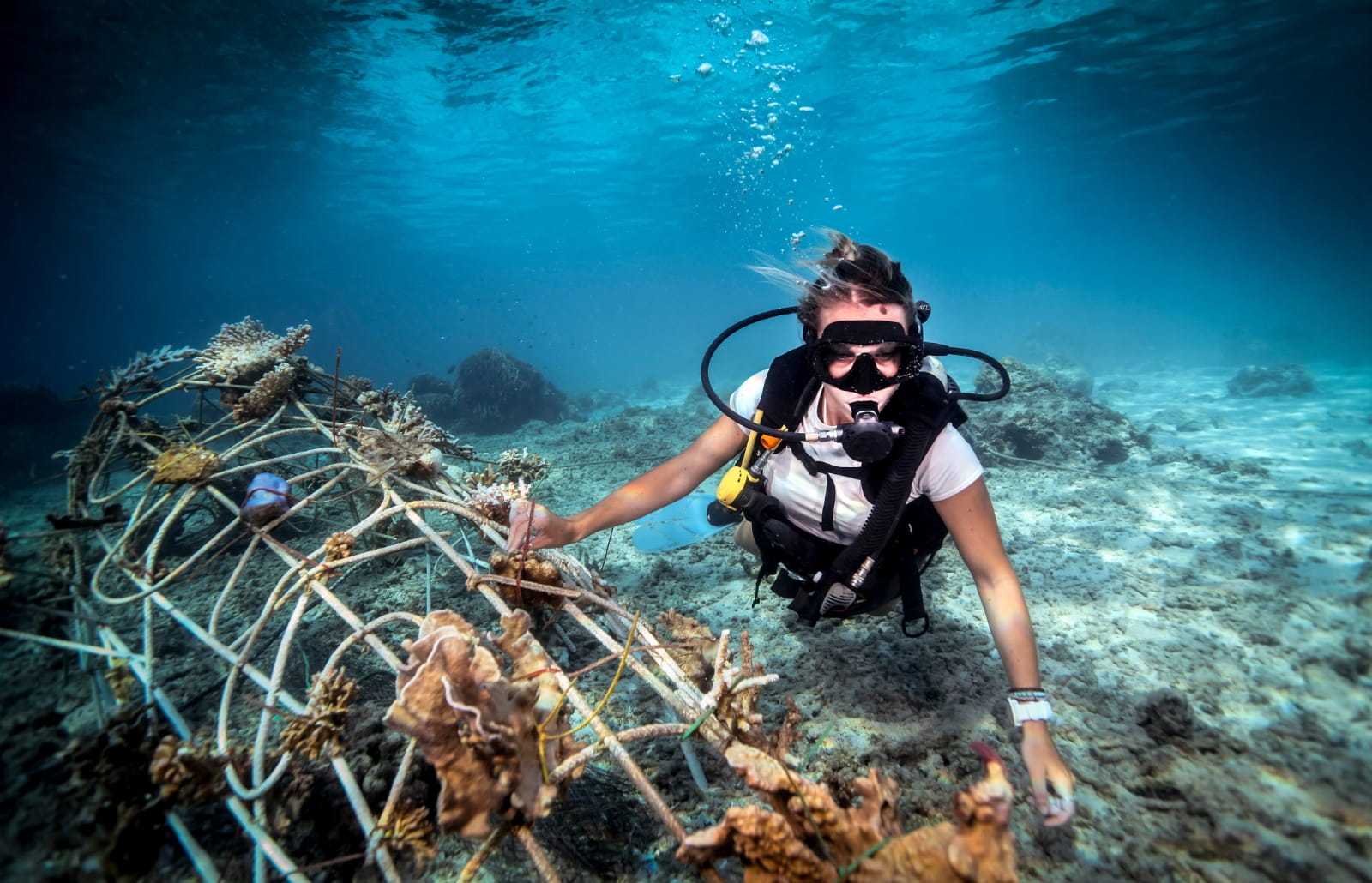
Coral restoration programs focus on rebuilding damaged reef structures by cultivating and transplanting coral fragments. These fragments are attached to specially designed structures that support coral growth and reef regeneration.
Over time, these restoration sites develop into thriving reef habitats, increasing biodiversity and improving ecosystem resilience in Nusa Penida waters.
Reef Monitoring and Surveys
Reef monitoring programs are designed to track changes in coral health, fish populations, and overall marine biodiversity. Participants assist in collecting underwater data used for scientific analysis and conservation planning.
This ongoing monitoring is essential for understanding environmental changes and improving conservation strategies in marine conservation Nusa Penida areas.
Marine Megafauna Monitoring
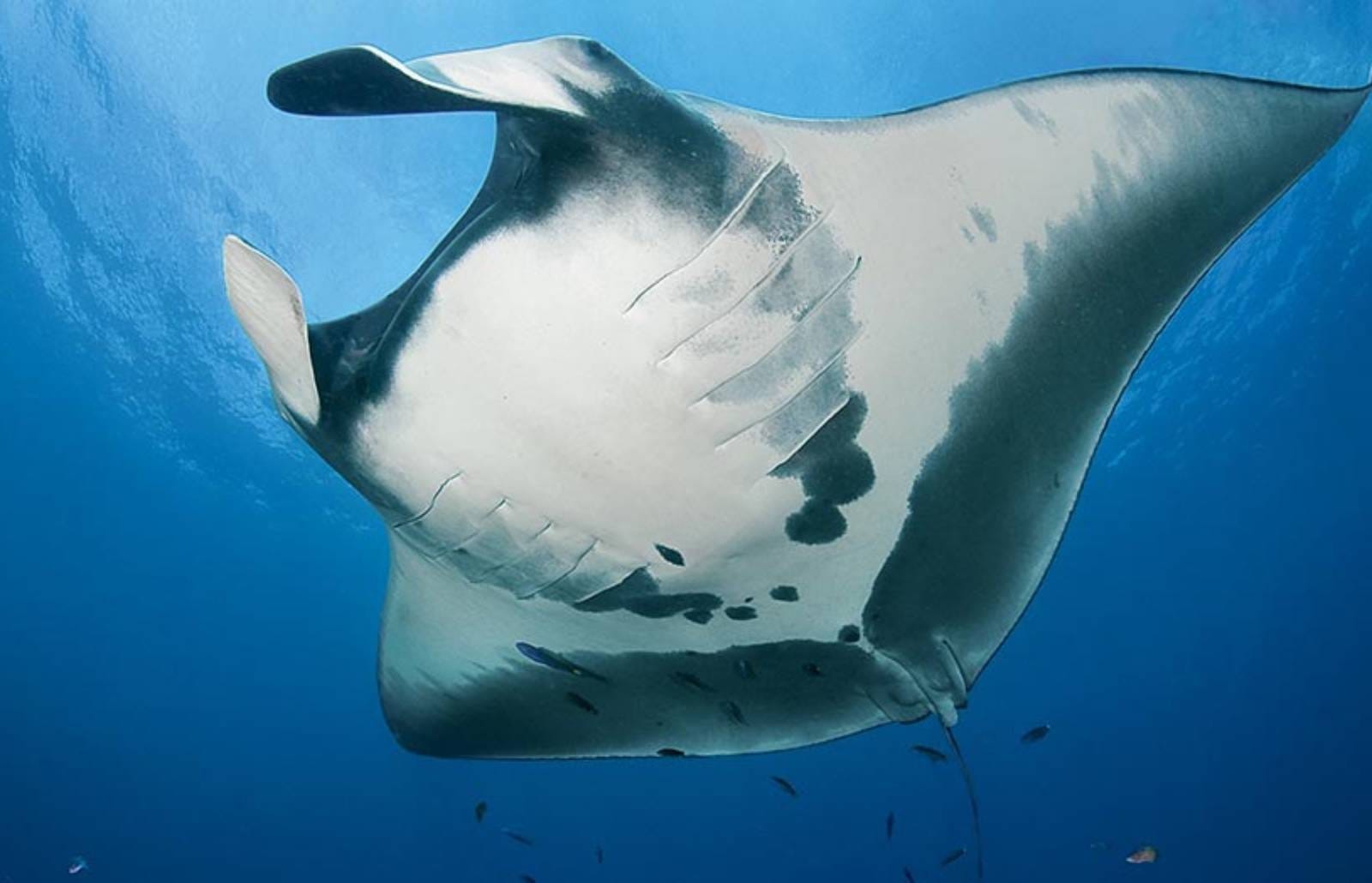
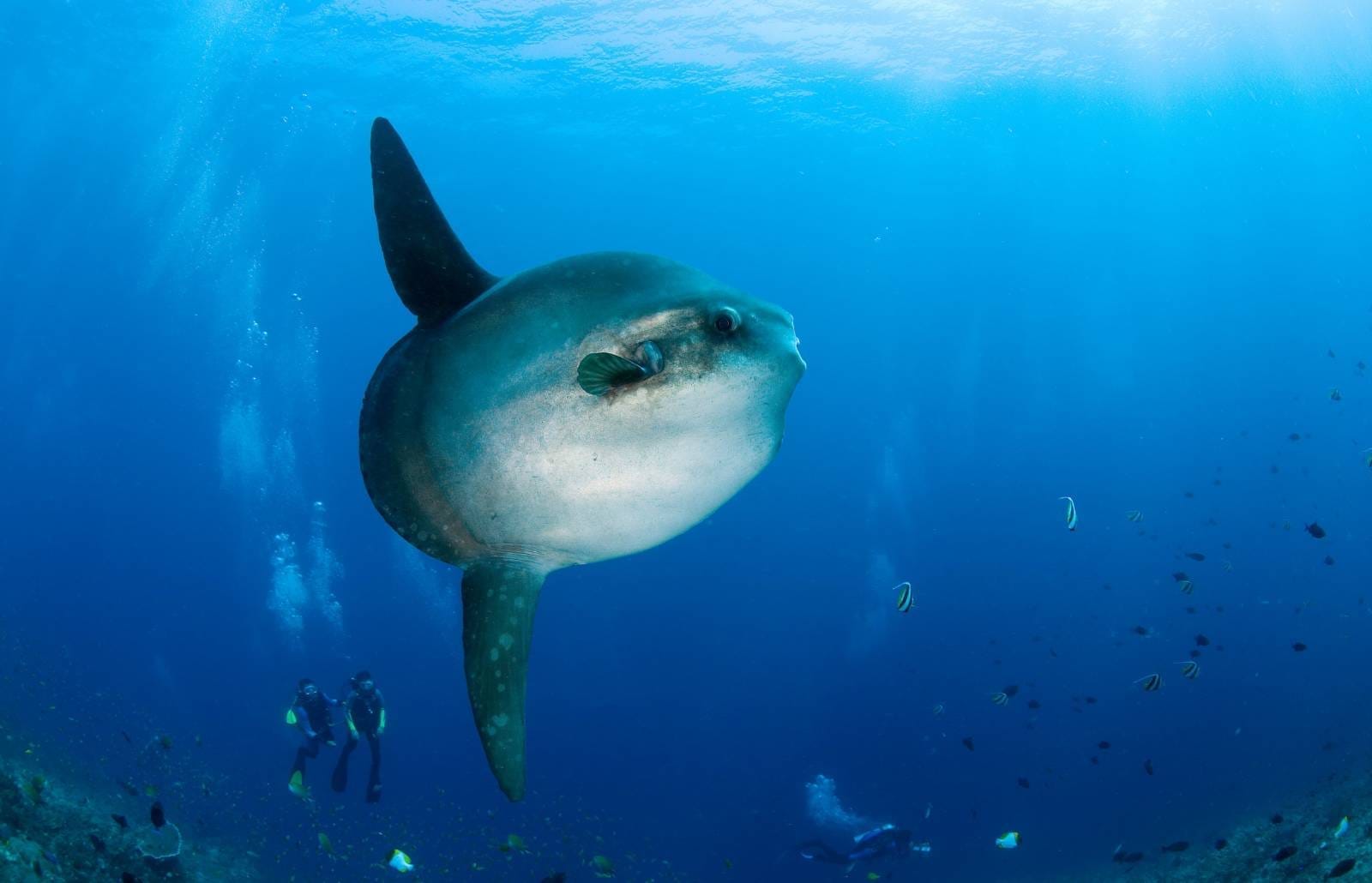
Nusa Penida is known for its manta ray populations, sea turtles, and seasonal pelagic species. Conservation programs often include monitoring and identification of these species to track population trends and behavior patterns.
These species serve as key indicators of ocean health and play an important role in conservation Penida research efforts.
Conservation Education Programs
Education is a core component of marine conservation in Nusa Penida. Programs include workshops and training sessions on coral reef ecology, marine biodiversity, and sustainable ocean practices.
These educational initiatives help participants better understand marine ecosystems and promote responsible interaction with the underwater environment.
What Is Coral Restoration?
Coral restoration is the process of actively supporting reef recovery by growing and transplanting coral fragments onto degraded reef areas. This method helps accelerate natural reef regeneration and restore biodiversity.
In conservation Penida programs, coral restoration plays a key role in rebuilding reef ecosystems that have been damaged by environmental or human pressures.
What Is Reef Monitoring?
Reef monitoring involves systematic data collection to assess the health of coral reefs and surrounding marine ecosystems. This includes tracking coral coverage, species diversity, and environmental conditions.
The information gathered through marine conservation Nusa Penida programs is used to guide long-term protection and ecosystem management strategies.
Can Divers Participate in Conservation Programs?
Yes, many conservation programs in Nusa Penida are designed for certified divers who want to actively contribute to marine protection efforts. Participants often assist with reef surveys, restoration work, and underwater ecological monitoring.
These experiences allow divers to directly engage in conservation Penida initiatives while gaining practical understanding of marine science.
Is Marine Conservation Suitable for Beginners?
Some marine conservation activities are suitable for beginners, especially educational workshops and awareness programs. However, underwater activities typically require basic scuba diving certification.
Marine conservation Nusa Penida programs are structured to accommodate different experience levels depending on the type of activity involved.
What Can You Expect During a Conservation Experience?
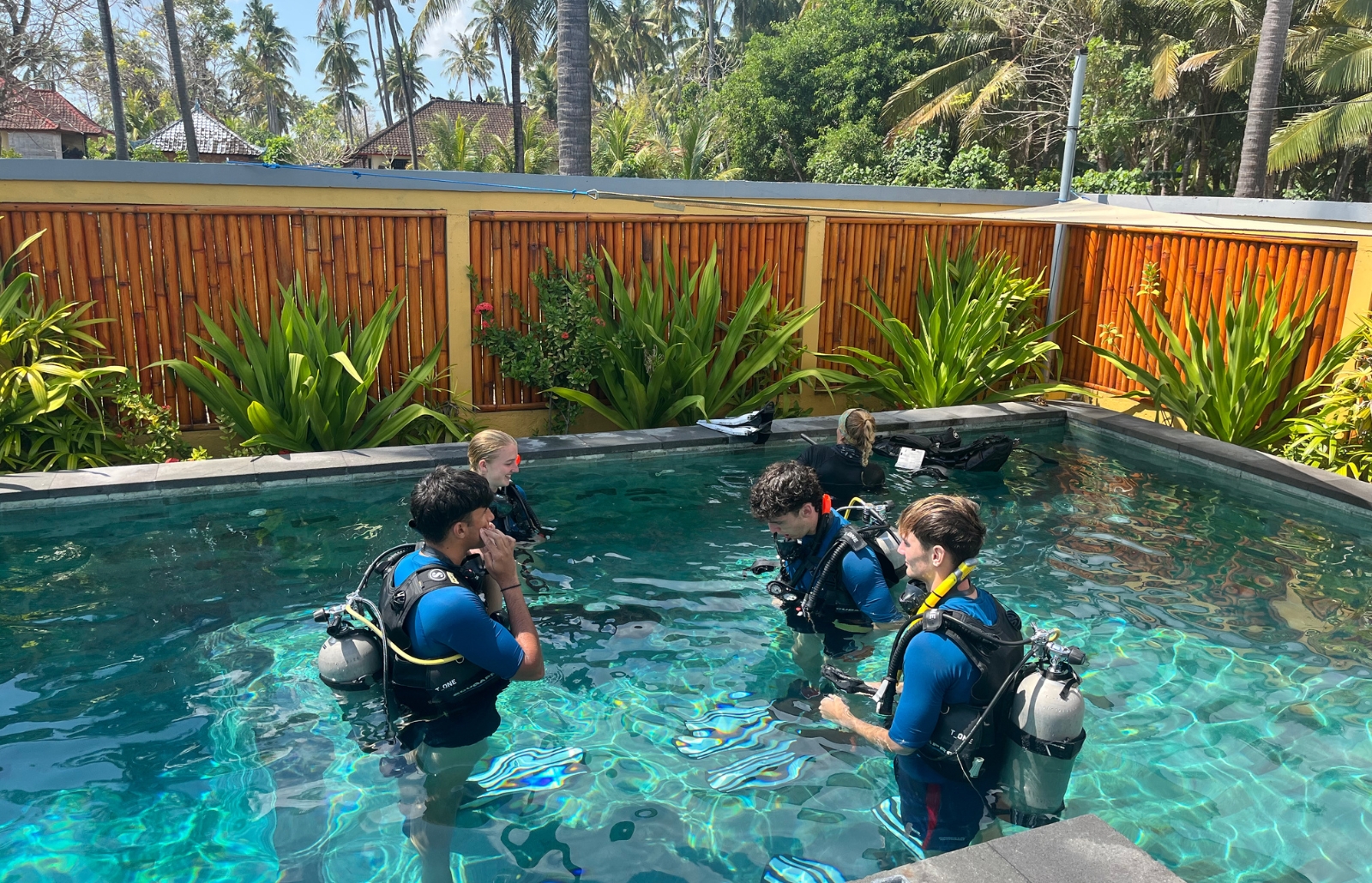
A conservation experience typically begins with a briefing on marine ecosystems, conservation goals, and safety procedures. Participants are introduced to local biodiversity and the purpose of the program.
After the briefing, activities may include reef surveys, coral restoration work, or marine species identification dives, all conducted under supervision of conservation professionals working in conservation Penida environments.
Who Can Join Marine Conservation Programs?
Marine conservation Nusa Penida programs are suitable for:
- Certified divers interested in marine ecology
- Ocean and environmental enthusiasts
- Marine science students and researchers
- Underwater photographers
- Sustainable tourism travelers
- Citizen science participants
- Anyone interested in ocean conservation
Frequently Asked Questions
What is marine conservation Nusa Penida?
Marine conservation Nusa Penida refers to efforts focused on protecting coral reefs, marine biodiversity, and ocean ecosystems through restoration, monitoring, and education programs.
What is conservation Penida?
Conservation Penida refers to environmental initiatives in Nusa Penida aimed at protecting and restoring marine ecosystems and promoting sustainable ocean use.
Can beginners join conservation programs?
Yes, some educational programs are suitable for beginners, while underwater activities require basic diving certification.
Do I need diving experience?
Not always. Some conservation activities are accessible without diving experience, but underwater research and restoration require certification.
Why is marine conservation important in Nusa Penida?
It helps protect coral reefs, supports marine biodiversity, and ensures the long-term sustainability of one of Bali’s most important marine ecosystems.
What marine life can be seen in Nusa Penida?
The area is known for manta rays, turtles, reef fish, and diverse coral ecosystems within the Coral Triangle region.
Conclusion
Marine conservation Nusa Penida plays a critical role in protecting one of Indonesia’s most valuable marine ecosystems. Through coral restoration, reef monitoring, marine biodiversity research, and education programs, conservation efforts help maintain the long-term health of reef systems in the region.
By participating in conservation Penida initiatives, divers and ocean enthusiasts contribute directly to marine protection while gaining a deeper understanding of underwater ecosystems and sustainable ocean practices.
Join our mailing list today
Join our community! Subscribe to our blog for fresh content delivered straight to your inbox
Be part of our community and stay updated with the latest insights! Subscribe to our blog for fresh news, tips, and insights delivered straight to your inbox. Join us on our journey and be the first to know about our updates, events, and special offers. Don't miss out!