 简体中文
 Français
 Español
 Deutsch

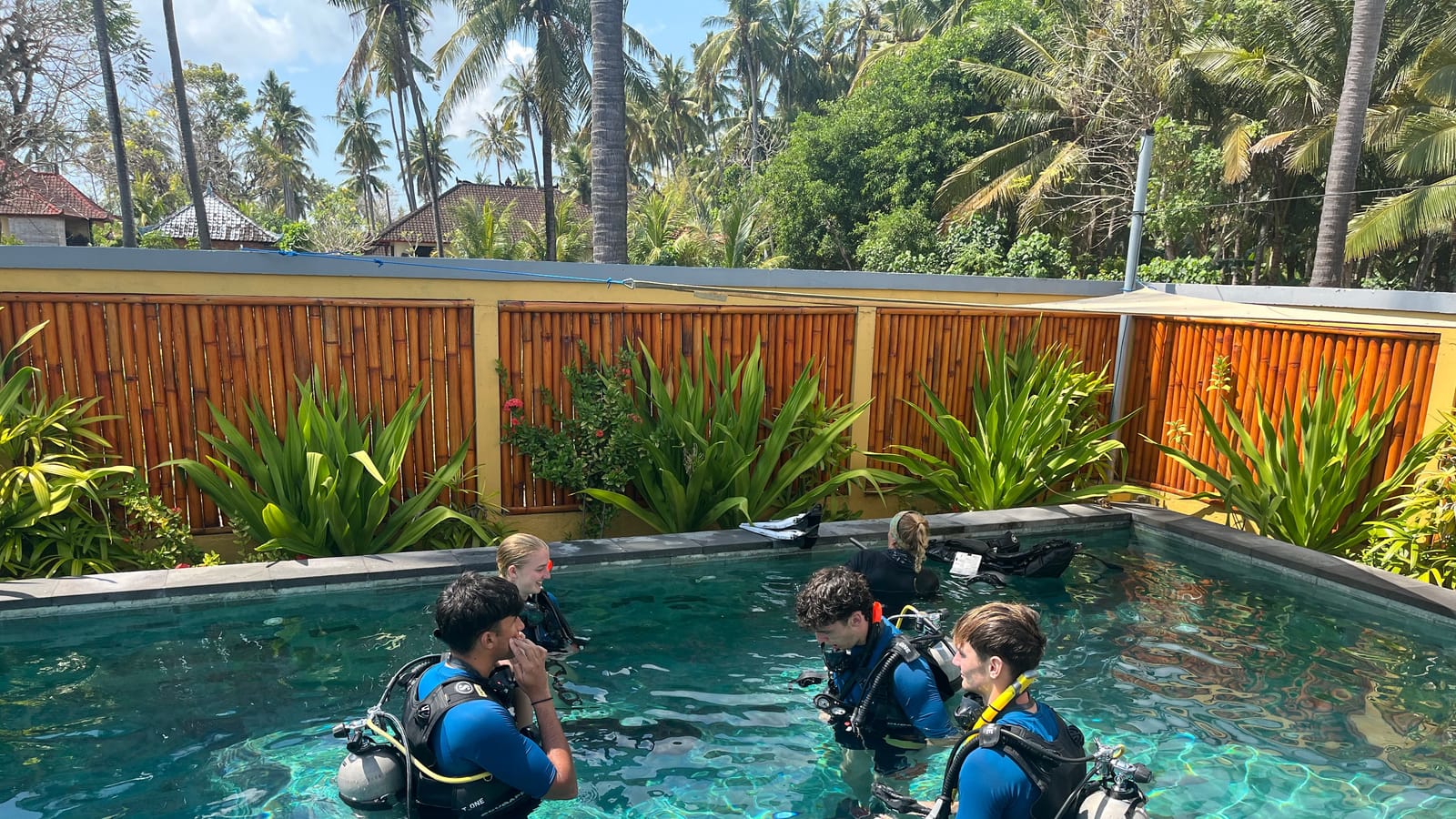
Yes. Beginners can dive in Nusa Penida, including people who have never dived before. The condition is that you dive with a professional, at a site chosen for that day's conditions. A first-timer can try a Discover Scuba Diving experience to a maximum of 12 m from the age of 10, and a three-day Open Water course certifies you to 18 m.
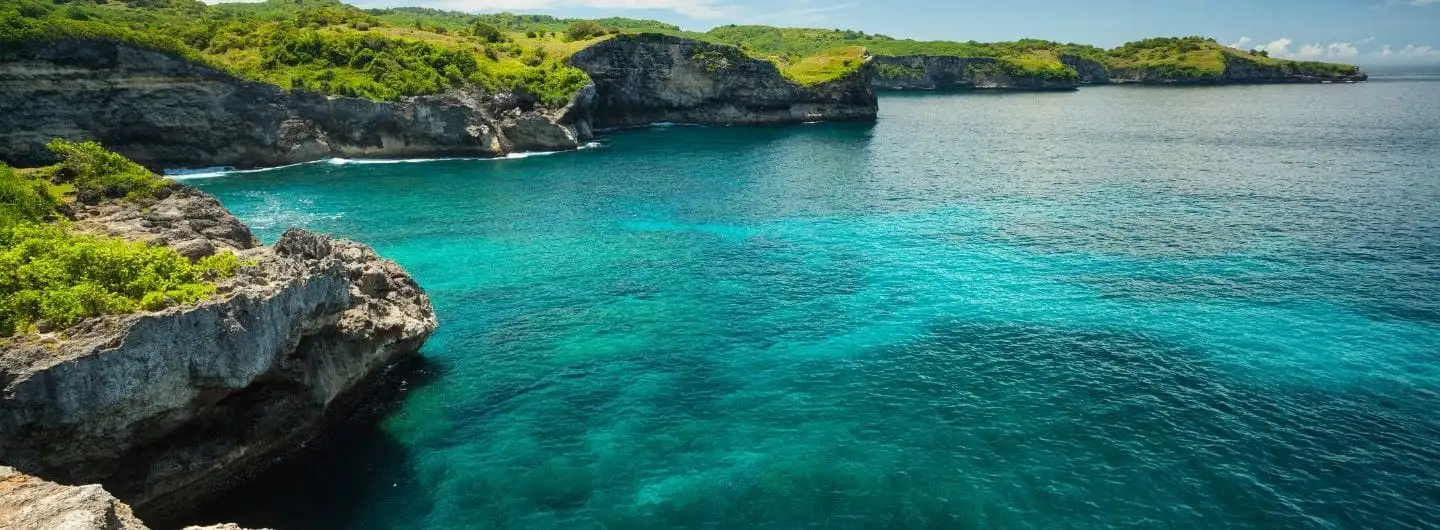
What sets Nusa Penida apart from an easier first-dive location is current and cold water. Several of its famous sites are for experienced divers only, so the useful question is which site and which day.
What Can Each Kind of Beginner Do in Nusa Penida?
| You are | What you can do | Depth limit | Time needed |
|---|---|---|---|
| A non-diver who wants to try | Discover Scuba Diving: a pool session, then two ocean dives beside an instructor | 12 m | One day, or two half days |
| A non-diver who wants a licence | The PADI Open Water course | 12 m on the first two ocean dives, 18 m on the last two | Three days |
| A newly certified Open Water Diver | Guided fun dives at sites that fit your level | 18 m | From one morning |
| Certified, with no dive in the past year | A pool refresher of about 1.5 hours, then guided fun dives | Your certification limit | Add half a day |
Children can start at 10. Divers aged 10 and 11 stay within 12 m, on a try dive and after certification.
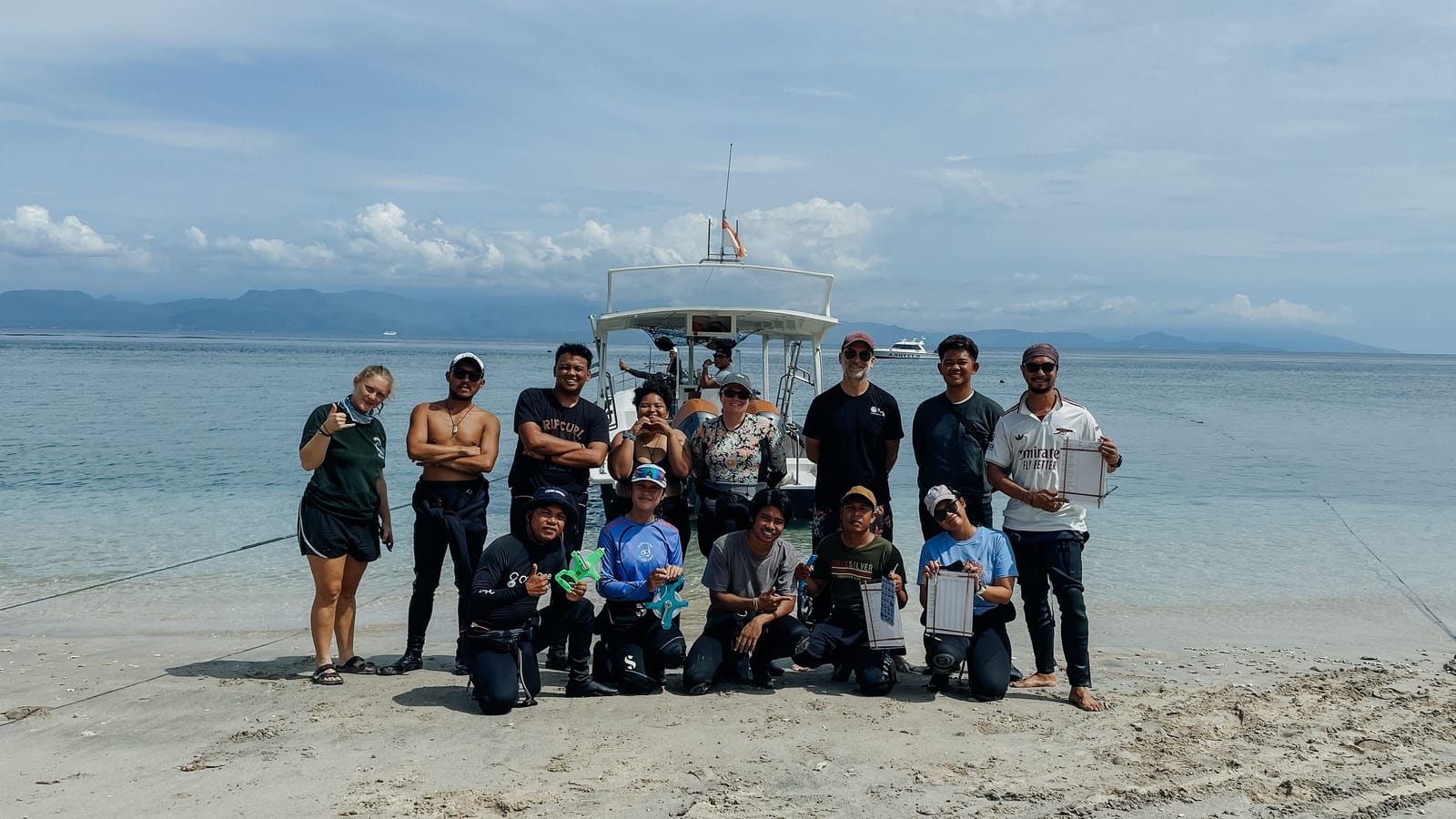
Our groups at Legend Diving Penida are small: two students per instructor on a try dive, four on an Open Water course and four guests per guide on fun dives. The refresher can be waived if you have more than 30 logged dives.
The try dive is our most popular programme. What it includes and how the schedule works are on our page for Discover Scuba Diving in Nusa Penida.
Which Nusa Penida Dive Sites Suit Beginners?
| Site | Why it works for a beginner | Keep in mind |
|---|---|---|
| Crystal Bay, the shallow bay | A sheltered bay 5 to 8 m deep | The reef outside the bay has strong current, and the site is busy in high season |
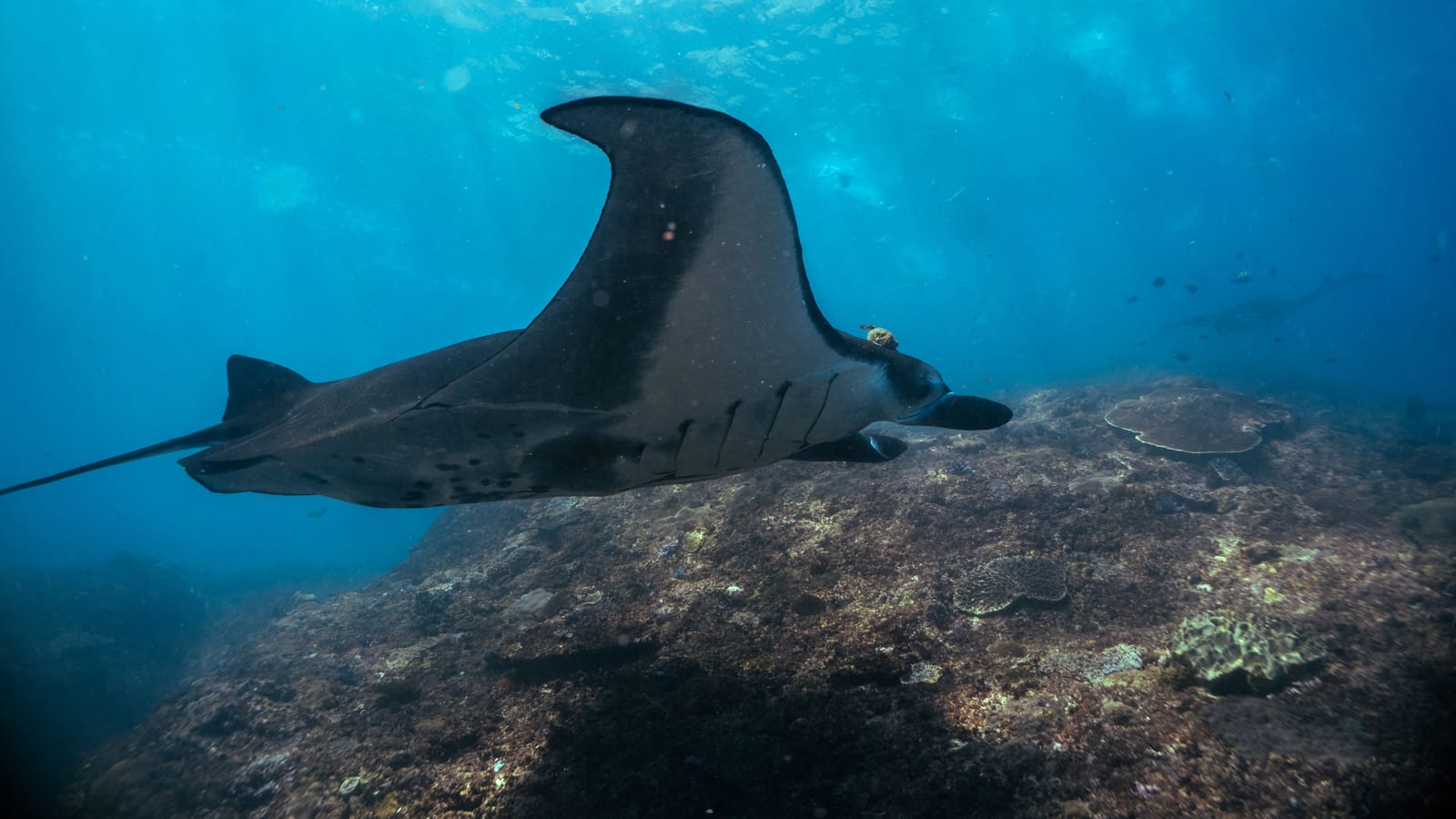
| Manta Point | A sandy bay from about 10 m, where try dives go to meet manta rays | Open to ocean surge, with cooler water. The boat goes only when the swell allows |
| Manta Bay | Shallow and easy to reach, with mantas feeding near the surface | Shared with snorkel boats |
| Mangrove | A reef plateau from 10 m, with a gentle drift on calm days | The current strengthens with the tide |
| SD | A reef that starts shallow and is also used for snorkeling | A drift dive along the north coast |
Karang Sari, on the east coast, is generally suitable once you hold an Open Water certification.
Which Sites Should Beginners Leave for Later?
| Site | Why it is not a beginner site |
|---|---|
| Blue Corner | Steep slopes, deep drop-offs and powerful current. Reserved for advanced and experienced divers |
| Malibu | Strong and unpredictable current on the remote east coast |
| Crystal Bay, the deep reef | The mola cleaning stations sit on a drop-off in strong current, below beginner depth limits |
| Batu Nunggul and Semaya | Drift dives for certified divers who are already comfortable in current |
| Gili Tepekong and Gili Mimpang | Offshore pinnacles near Padang Bai with strong, changeable current |
The site is chosen on the day. The schedule follows the tides and the weather, so ask in the morning which site fits your level.
What Makes Nusa Penida Harder Than Other Places to Learn?
Three things, and each has a standard answer.
- Current. Strong ocean currents run past the island, and many sites are drift dives. They can push down or up as well as along the reef.
- Cold water. In the dry season, upwellings can drop the water to 16°C.
- Surge. The south coast faces the open ocean, so sites such as Manta Point move with the swell.
This is how a beginner's dive is built around them:
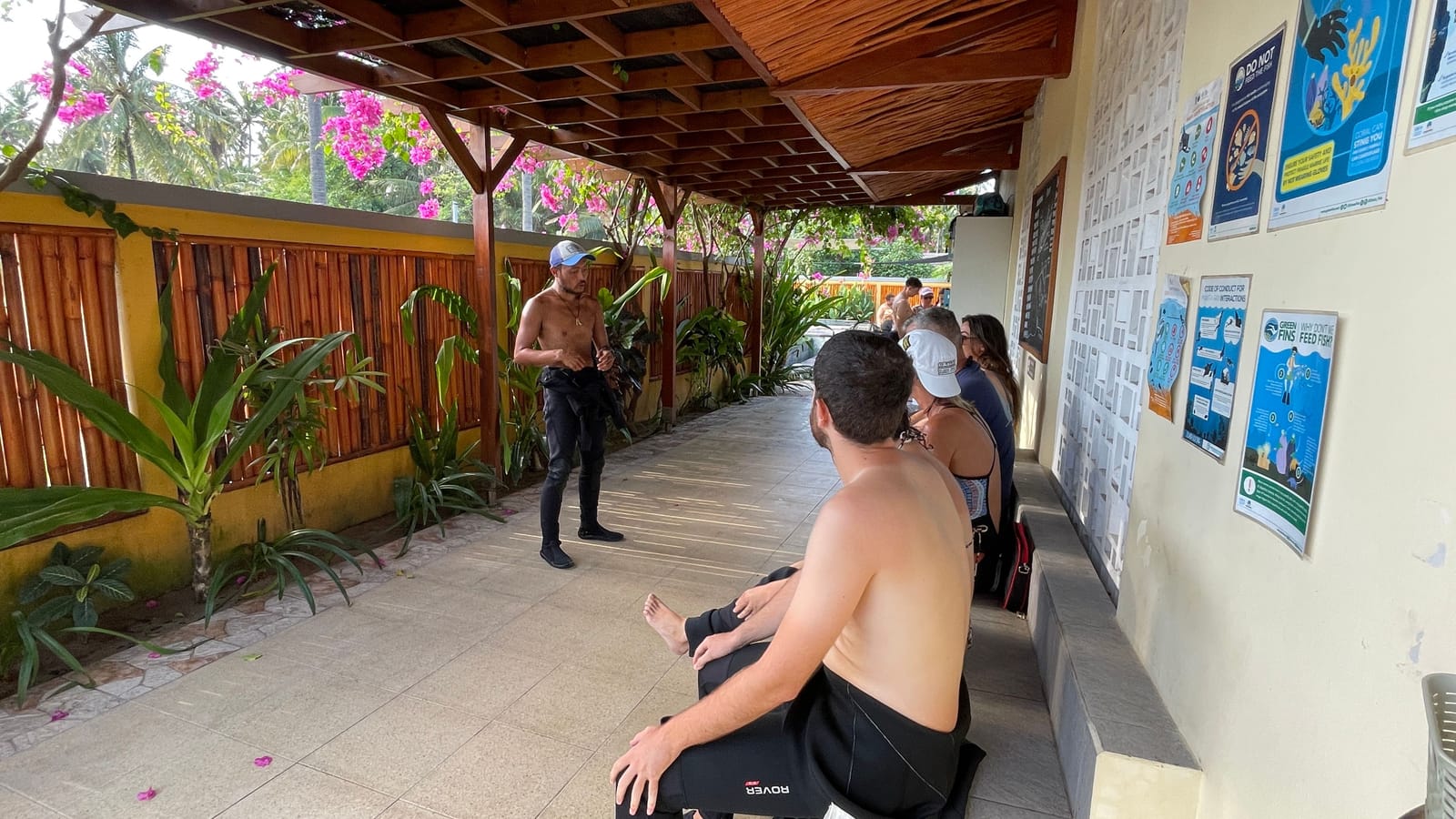
- You start in the pool. Try dives and Open Water courses both begin with a pool session at our dive centre, before any ocean dive.
- An instructor stays with you. On a try dive you are one of two students.
- The briefing is specific to the site. It covers how you enter and leave the water and what the conditions are doing.
- You go with the current. The rule is to stay close to the reef and never fight the water, because the current is always stronger than a swimmer.
- The boat is equipped for it. Boats carry oxygen, a first aid kit and life jackets, and the dive team carries a surface marker buoy.
When Is the Easiest Time of Year for a First Dive?
Beginners can dive in Nusa Penida all year. The seasons change how comfortable it feels.
- November to March has the warmest water, 26 to 28°C. The first rains in December and January can change the visibility from one day to the next.
- April to October is the dry season, with cooler water. July, August and September are the coldest months.
- Mid-July to mid-October is mola season, when Crystal Bay is at its busiest.
If you feel the cold, choose the warm months, or ask for a thicker wetsuit in the dry season.
Try Dive or Open Water Course: Which Should You Choose?
- Choose the try dive if you have one day, are not sure diving is for you, or mainly want to meet a manta ray. It costs IDR 2,190,000 and is an experience, not a certification.
- Choose the course if you have three days and want to keep diving after this trip. It costs IDR 6,800,000 and the certification is for life. The details are on our page for the PADI Open Water course in Nusa Penida.
You do not have to decide on the first day. A try dive can be credited toward the Open Water course if you tell us in advance.
Frequently Asked Questions
Can you dive in Nusa Penida with no experience at all?
Yes. Discover Scuba Diving needs no certificate and no previous dive. You practise in the pool first, then make two ocean dives to a maximum of 12 m with an instructor beside you.
Can beginners dive with manta rays in Nusa Penida?
Yes. We plan our try dives around Manta Point when the sea allows, in a sandy bay that starts at about 10 m. Non-divers can also snorkel with them at Manta Bay.
Can beginners see mola mola in Nusa Penida?
It is unlikely. Most mola encounters happen between 20 and 40 m, and a beginner is limited to 12 m on a try dive or 18 m with an Open Water certification.
Do you need to be able to swim to try diving?
We set no swimming requirement for the try dive. PADI's own guidance is that you should be comfortable in the water and able to stay at the surface. The Open Water course does require you to swim and float.
Are the currents in Nusa Penida dangerous for beginners?
The currents are strong and deserve respect, which is why beginners are taken to shallow or sheltered sites with an instructor. Sites such as Blue Corner are kept for advanced divers.
How old do you have to be to dive in Nusa Penida?
Ten. Divers aged 10 and 11 stay within 12 m and dive with a PADI Professional or a certified parent or guardian.
Conclusion
Beginners can dive in Nusa Penida, from a first try dive at 10 years old to a full Open Water certification in three days. The island asks more of a new diver than a calm lagoon does, with current, cold water and surge, so the choice of site and day matters.
Start in the pool, dive the shallow and sheltered sites, leave Blue Corner for later, and let the dive team pick the site on the day.